
⚪ FUNDED PROJECT 2022-2026: POPULISM and CONSPIRACY (4 years) funded by the Swiss (SNF) and Austrian Science Funds (FWF)
The project co-directed by Oscar Mazzoleni and myself includes a complete analysis of the populist party discourses and surveys of voter attitudes in four countries — 2022-2026. University of Salzburg reserachers in the project: Martin Dolezal and Diana Hofmann | See here for the Project Website
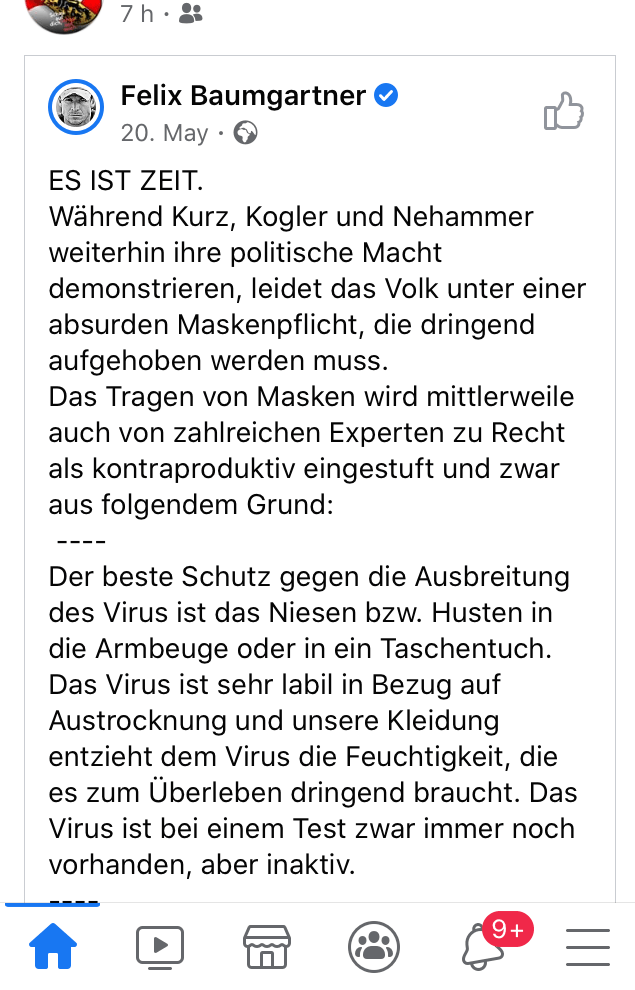
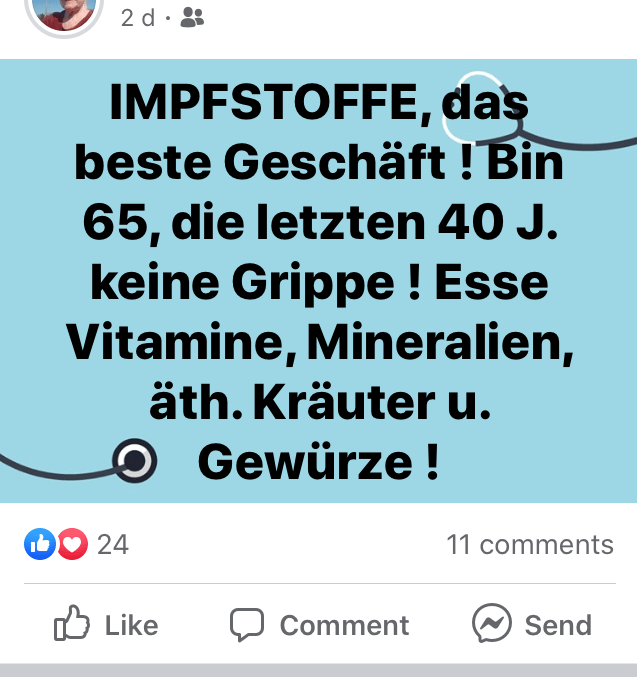
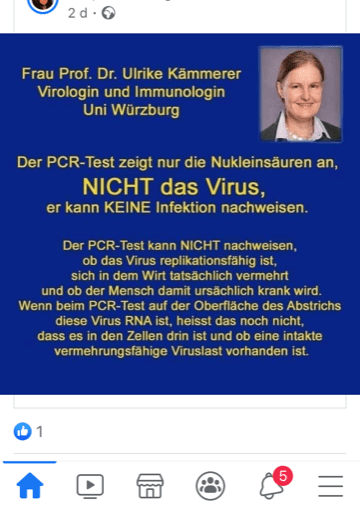
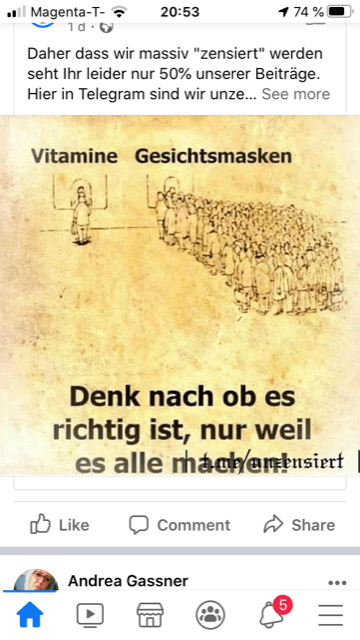
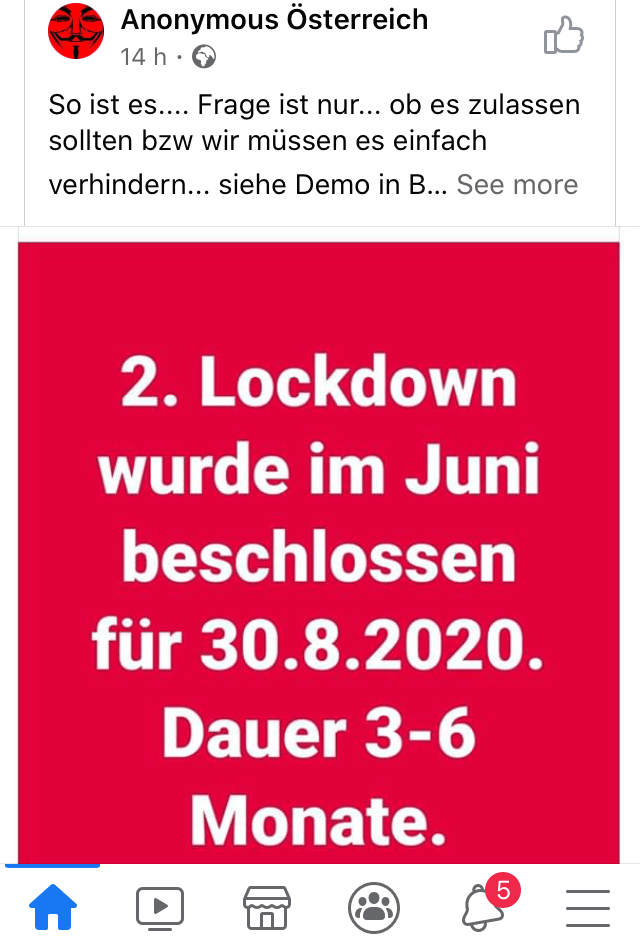
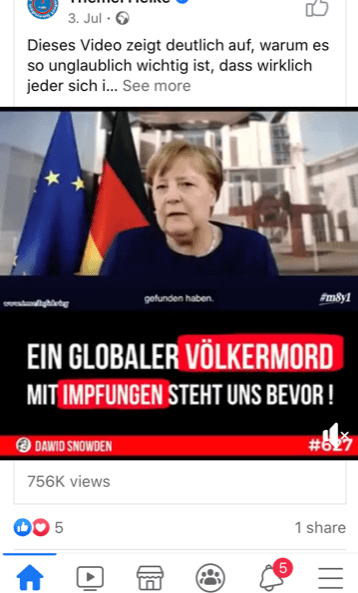
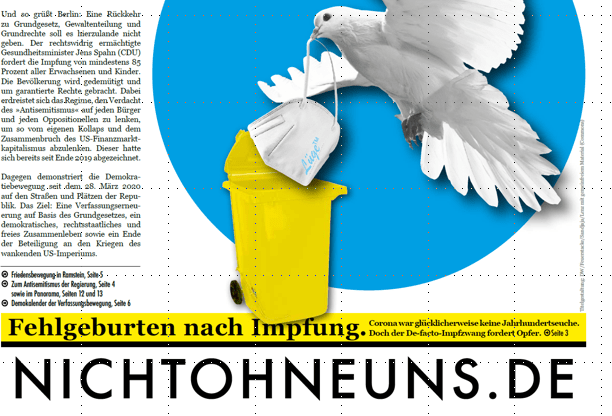
This FWF-funded research project examines the demand-side relationship between populism and conspiracy theories in the context of the Corona pandemic, climate change and immigration. The project analyses to what extent conspiracy theories are used by populists, how conspiracy claims are constructed and what effects they have. Specifically, the analysis focuses on the influence of parties and their leaders that are classified as radical right-wing populist. The study is conducted in four selected countries – Switzerland, Austria, Italy, and France – as these countries have long-established and particularly successful right-wing populist parties.
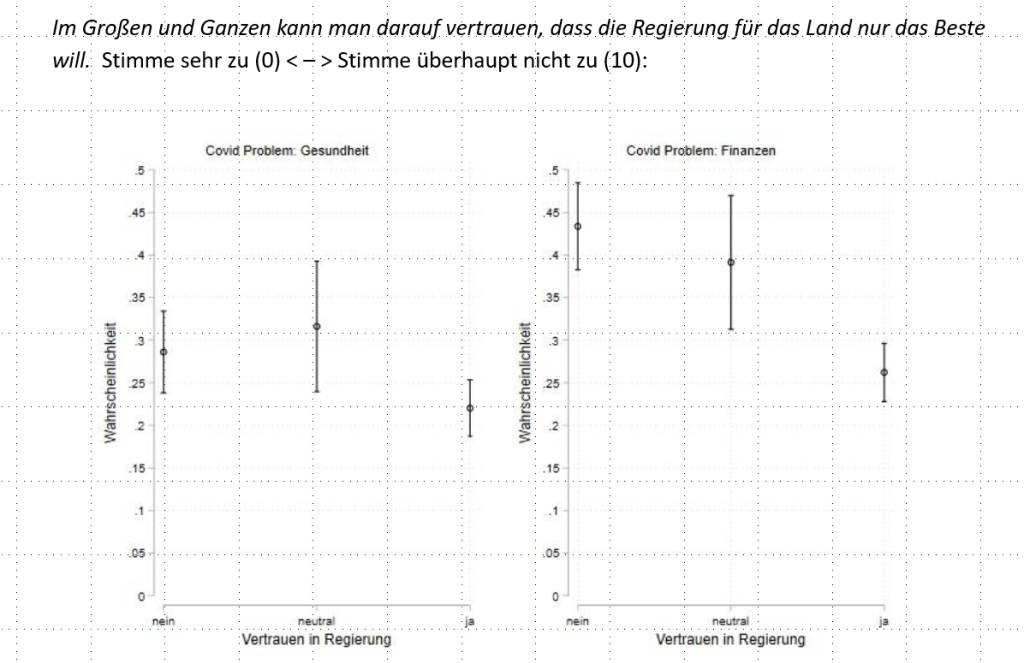
The supply-side part of the research dealing with conspiracy claims in speeches and texts by key figures is led by the Swiss project partners at the University of Lausanne. The team from the University of Salzburg is dedicated to the attitudes of citizens and is primarily concerned with the effectiveness of specific conspiracy claims about COVID-19, climate change and immigration. This part of the project aims to clarify which factors particularly favor the belief in conspiracy theories.
For this purpose, surveys with three types of survey experiments are developed. Subsequently, a statistical technique can be used to draw conclusions as to why conspiracy theories become more entrenched in certain population groups. The research project thus provides new scientific insights into populism and conspiracy theories that are relevant not only for the social sciences, but also for government agencies and the public.
Project-related Publications
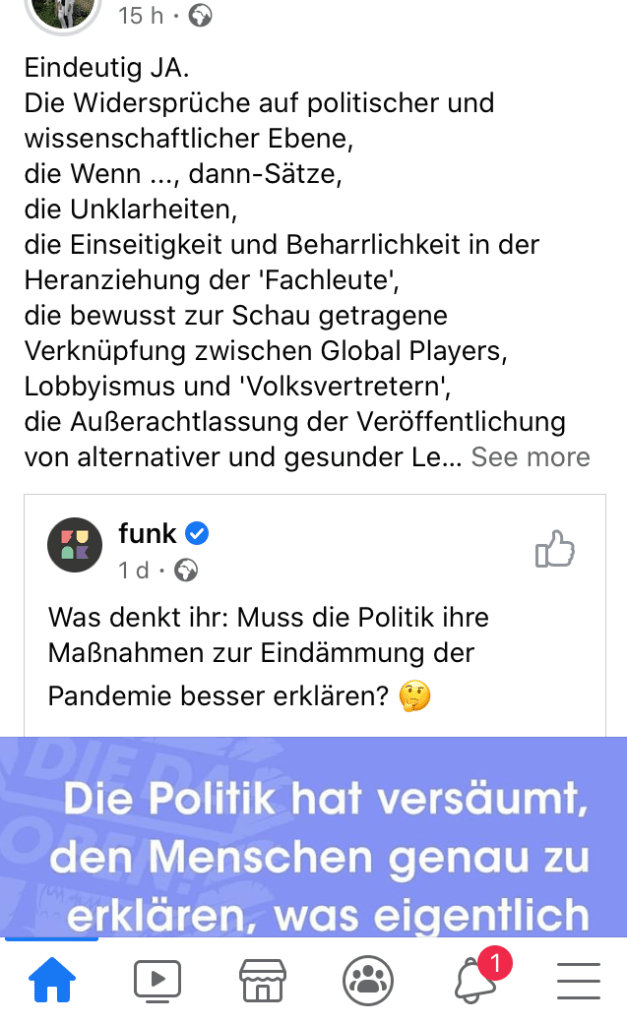
- Die Da Oben Führen Was Im Schilde: Verschwörungsdenken In Deutschland Und Österreich Im Vergleich“. In INDES. Zeitschrift für Politik und Gesellschaft (Volume 12, Issue 1/2): 309-317.
- “Wie verbreitet ist die Verschwörungsmentalität in Österreich und welche Verschwörungsnarrative dominieren?“ In Reinhard Heinisch, Klaus Dirninger, Reinhold Kriechbaumer, und Franz Wieser (eds.), Salzburger Jahrbuch für Politik 2024 (Salzburg: Böhlau).
- Hofmann, D. L. (2024). Exploring the extremes: The impact of radical right-wing populism on conspiracy beliefs in Austria. Social Sciences, 13(10), 558.
- Hofmann, D. L. (2024). Verschwörungstheorien in politikwissenschaftlicher Analyse: Das PopCon-Projekt. Medienjournal-Zeitschrift für Medien-und Kommunkiationsforschung, 47(4), 83-98.
Project-related Media Coverage
- FWF (partner release). 2025. “Europas Politik im Bann der Verschwörungen.” APA-Science, 27 October. https://science.apa.at/power-search/14766916269550682947 (Accessed 31 October 2025).
- Hans Rauscher. 2025. “Jeder fünfte Österreicher neigt zu Verschwörungstheorien.” Der Standard (AT), 30 October. https://www.derstandard.at/story/3000000294231/jeder-f252nfte (Accessed 31 October 2025).
- Der Standard (DE). 2025. “Jeder fünfte Österreicher neigt zu Verschwörungstheorien.” Der Standard (DE), 27 October. https://www.derstandard.de/story/3000000293809/jeder-f252nfte-214sterreicher-neigt-zu-verschw246rungstheorien (Accessed 30 October 2025).
- Cornelia Grobner. 2025. “Sieben Prozent glauben die Mär vom ‚großen Austausch‚.” Die Presse, 14 June. https://www.diepresse.com/19792048/sieben-prozent-glauben-die-maer-vom-grossen-austausch (Accessed 31 October 2025).
- Hitradio Ö3 (ORF). 2025. “Jeder fünfte Österreicher neigt zu Verschwörungstheorien.” Hitradio Ö3 (ORF), 27 October. https://oe3.orf.at/stories/3050534 (Accessed 30 October 2025).
- Kronen Zeitung. 2025. “Land der Schwurbler? So viele glauben an Verschwörungstheorien.” Kronen Zeitung, 27 October. https://www.krone.at/3940177 (Accessed 30 October 2025).
- Kurier. 2025. “Land der Verschwörungstheorien: Warum viele Österreicher dazu neigen.” Kurier, 27 October. https://kurier.at/chronik/oesterreich/verschwoerungstheorien-oesterreich-fake-news/403097194 (Accessed 30 October 2025).
- Oberösterreichische Nachrichten. 2025. “Jeder fünfte Österreicher neigt zu Verschwörungstheorien.” Oberösterreichische Nachrichten, 27 October. https://www.nachrichten.at/panorama/chronik/jeder-fuenfte-oesterreicher-neigt-zu-verschwoerungstheorien;art58,4101826 (Accessed 31 October 2025).
- ORF Kärnten. 2025. “Kärntner sind verschwörungsgläubig.” ORF Kärnten, 27 October. https://kaernten.orf.at/stories/3327501 (Accessed 31 October 2025).
- RegionalUpdate. 2025. “Studie zeigt: Verschwörungsdenken in Österreich besonders stark verbreitet.” RegionalUpdate, 27 October. https://regionalupdate.de/2025/10/27/verschwoerungsdenken-oesterreich-studie-2025 (Accessed 31 October 2025).
- Salzburger Nachrichten. 2025. “Politische Lage beeinflusst Neigung zu Verschwörungstheorien.” Salzburger Nachrichten, 27 October. https://www.sn.at/panorama/wissen/politische-lage-neigung-verschwoerungstheorien-186652111 (Accessed 30 October 2025).
- Alois Pumhösel. 2025. “Europas Politik im Bann der Verschwörungen.” Scilog (FWF), 27 October. https://scilog.fwf.ac.at/magazin/europas-politik-im-bann-der-verschwoerungen (Accessed 30 October 2025).
- Tiroler Tageszeitung. 2025. “Ausgeprägter Hang zu Verschwörungs-Mythen: Tirol liegt im Spitzenfeld.” Tiroler Tageszeitung, 27 October. https://www.tt.com/artikel/30920278/ausgepraegter-hang-zu-verschwoerungs-mythen-tirol-liegt-im-spitzenfeld (Accessed 30 October 2025).
- Vienna.at. 2025. “Viele Österreicher neigen zu Verschwörungstheorien.” Vienna.at, 28 October. https://www.vienna.at/viele-oesterreicher-neigen-zu-verschwoerungstheorien/9766655 (Accessed 31 October 2025).
- Vol.at. 2025. “Politische Lage beeinflusst Neigung zu Verschwörungstheorien.” Vol.at, 27 October. https://www.vol.at/politische-lage-beeinflusst-neigung-zu-verschwoerungstheorien/9765989 (Accessed 31 October 2025).












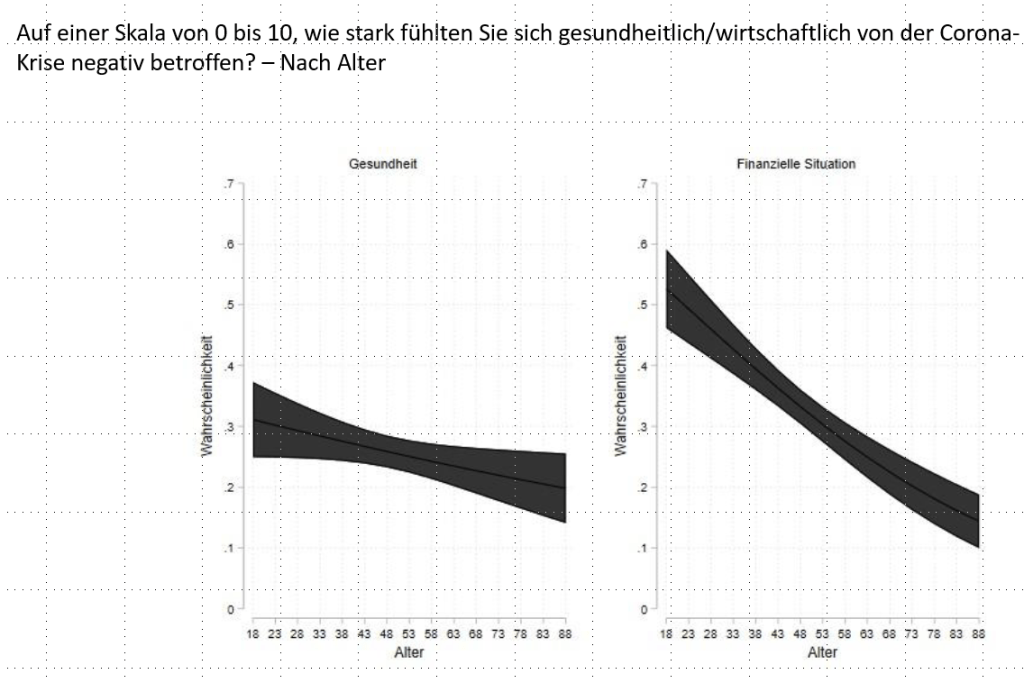
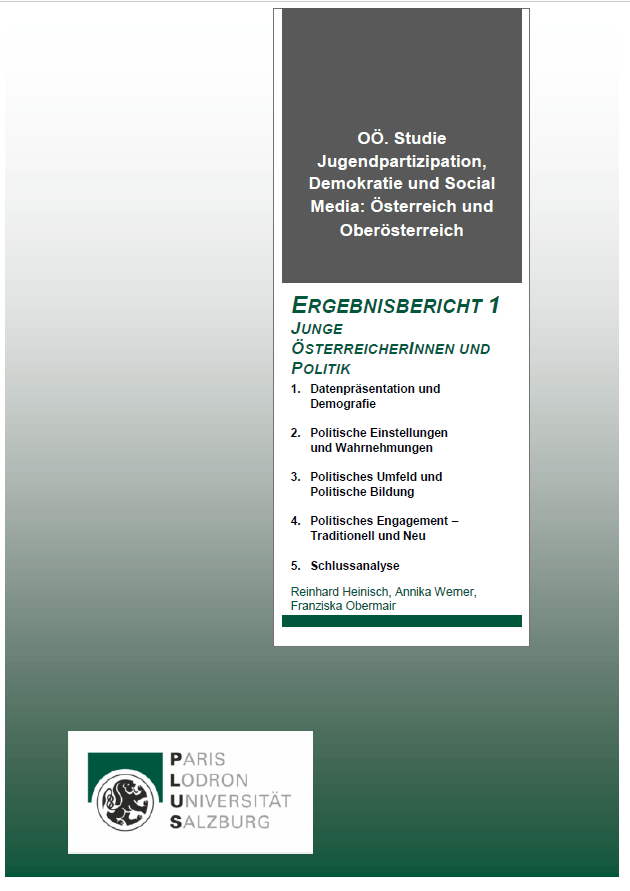
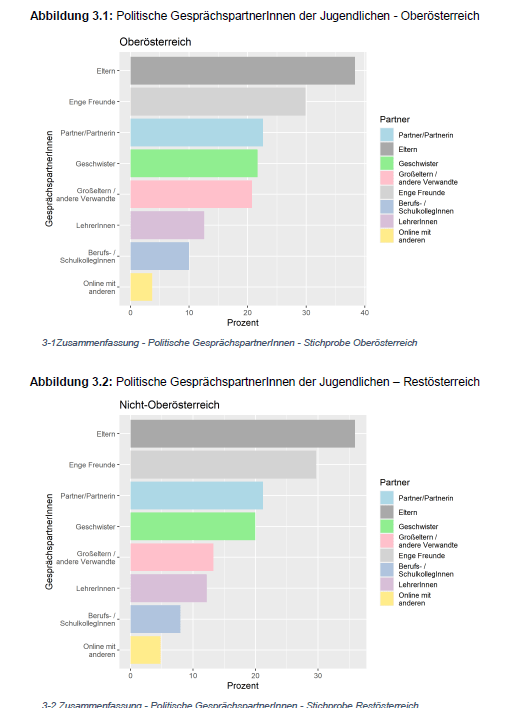
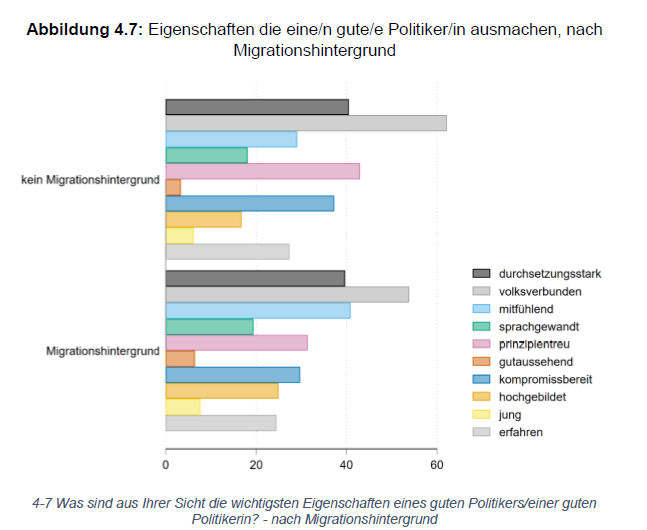
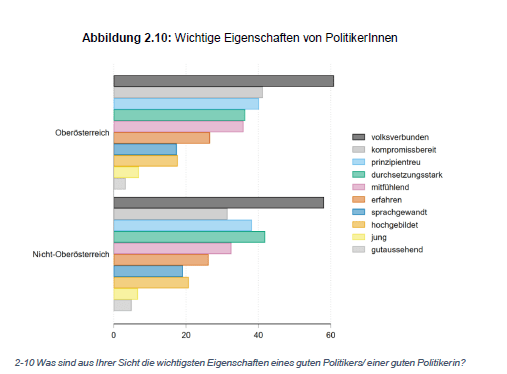
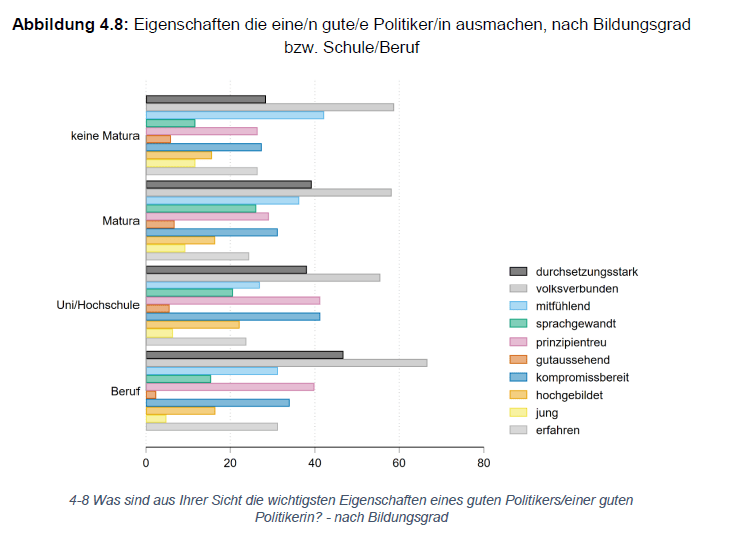
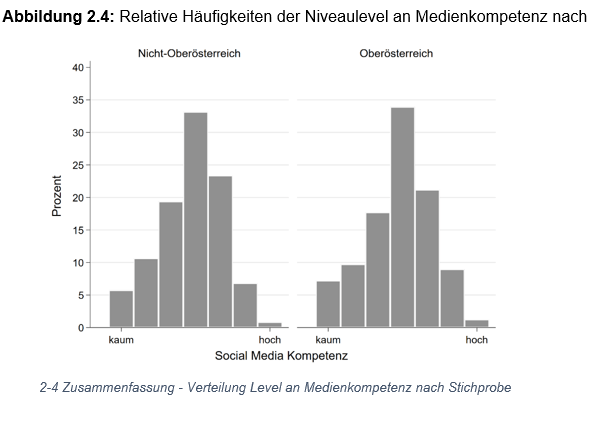
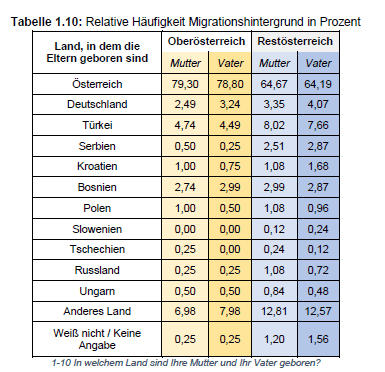
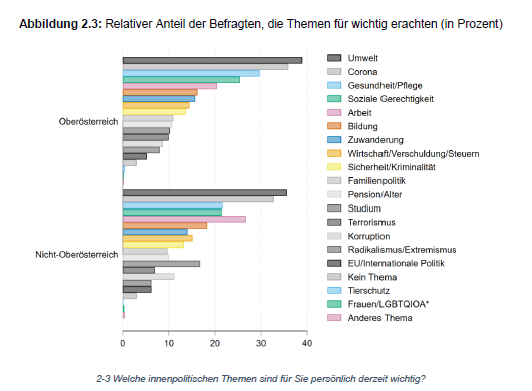
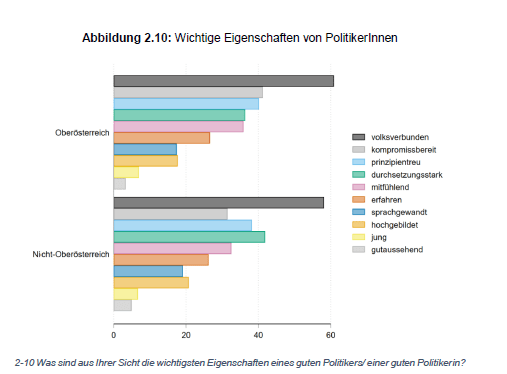
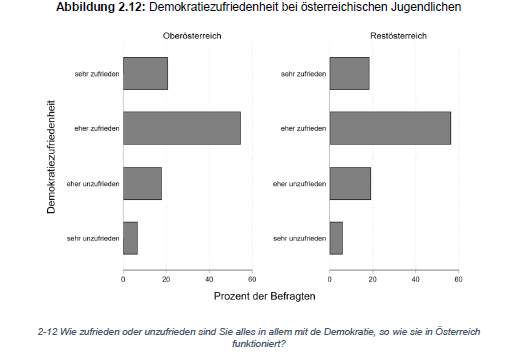
⚪FUNDED PROJECT 2020-2022: YOUTH PARTICIPATION, DEMOCRACY and SOCIAL MEDIA: In Austria & Upper Austria — funded by the ACADEMIA SUPERIOR – Gesellschaft für Zukunftsforschung
The goal of the collaboration is to create a survey-based study on digital media behavior and the democratic participation behavior of young people. The study has a special focus on Upper Austria but will also include a representative national sample.




⚪FUNDED PROJECT with the BROOKINGS FOUNDATION 2018-2020
Project completed 2020
FOR MORE INFORMATION >>> related WEBSITE


PROJECT WITH BROOKINGS: The One Percent Problem: Muslims in the West and the Rise of the New Populists
REPORT: The New Right: Austria’s Freedom Party and changing perceptions of Islam by Farid Hafez, Reinhard Heinisch, and Eric Miklin Wednesday, July 24, 2019
⚪FUNDED PROJECT by European Union HORIZON 2020 Programm „PaCE: POPULISM and CIVIC ENGAGEMENT 2019-22″
FOR MORE INFORMATION >>> PROJECT WEBSITE
„Populism and Civic Engagement“ (PaCE) aims at understanding and addressing causes, characteristics and consequences of the current rise of populist parties and movements in Europe, to develop instruments to tackle the negative tendencies of rising populism.

The rise and growth of parties and movements that claim to speak and act in the name of the „ordinary people“ and challenge and attack the liberal elite as being corrupt could be observed in most parts of Europe. This set of idea surrounding this antagonism between people and elite can be summarized under the term „populism“, which quickly became a frequently used buzzword in both media and academics.
The project involves nine partners from all across Europe and runs from February 2019 until January 2022. Its objectives are (1) to trace the historical growth and political consequences of illiberal, nativist and anti-democratic populist parties for the European Union (EU) project and democracy, (2) to study the general and specific causes for these three modes of populism in European democracies, distinguishing between demand and supply side as well as internal and external causes, (3) to study, propose and test policy-oriented responses to each of the three modes of populism, (4) to identify strategies to strengthen democratic values and practices taking into account the role of traditional and social media as well as public opinion and (5) to engage with stakeholders, especially groups underrepresented in public affairs, such as younger citizens and include schools and local communities in order to apply particular findings of the project.
- Link to the EU Page of the Project
- YouTube Video on Understanding the Populist Sympathizer
- PaCE on YouTube
- Link to the project’s facebook page
⚪FUNDED PROJECT by the EU-Funded Marie Curie Program 2010-2014: DETERMINANTS OF EUROSCEPTICAL VOTING in CEE COUNTRIES and PARTY RESPONSES (DEVBCEEC)
FOR MORE INFORMATION >>> PROJECT WEBSITE
Project completed 2015
European Commission funded FP7-PEOPLE-2010-RG MC-IRG (Project ID: 268340)
The project intends to undertake a quantitative cross-national study of the successes of Eurosceptic political parties in Central and East Europe (CEE). It approaches this question in a novel way by exploiting systematic but unexplained attitudinal differences between mass publics in the CEE states and Western Europe. In doing so, it addresses empirically one of the central questions of contemporary European politics, the perception of European integration and the causes of the growing disenchantment in a part of the European public. As this issue routinely receives considerable public attention, the research proposed here reaches far beyond narrow academic concerns. If Eurosceptic parties succeed in constraining the integration process this has significant political, economic, and social consequences. The multidisciplinary aspect is taken into consideration through the fact that Euroscepticism has been approached from various scholarly traditions, which informs this research and is the center of two conferences/workshops organized in the context of this project. This applies especially to philosophy, sociology, communication sciences, economics, and law.
⚪FUNDED PROJECT 2014-17; 2018-21: Muslim Youth Movements in Europe
FOR MORE INFORMATION >>> PROJECT WEBSITE
Project completed 2017
The research project „Muslim Youth Movements in Europe: Mobilization and Identity Construction“, which is scheduled from October 2014 to September 2017, aims to explore multi-ethnic, Muslim youth movements in Austria and Germany. The objective of the research is to examine conditions, manifestations and mechanisms of mobilization, the construction of collective identities and youth cultures, and politics of the respective youth movements. It is aimed to study a wide range of youth movements, representing different orientations of Islam, in the two mentioned countries.
 Reinhard Heinisch